Automatically translated by AI · Original content in English
Violence in Mexico is real, but it is highly concentrated geographically. An honest answer, destination by destination: Mexico City, Cancún, Riviera Maya, Tulum and Acapulco.
Last updated: July 2026. This article covers safety information that may change. We review its content periodically to keep it current.
Asking if Mexico is safe is like asking if the United States is safe — it depends very much on whether you're talking about Manhattan or a troubled neighborhood in Chicago. Violence in Mexico is real, but it is highly concentrated geographically, and the areas where tourists move almost never overlap with areas of greatest conflict.
With that clear, let's go destination by destination.
Mexico City
CDMX and the metropolitan area is a city of more than 21 million people — safety there is more like that of New York or Chicago than what many imagine. The areas where practically all tourism moves (Roma Norte, Condesa, Polanco, Centro Histórico, Coyoacán) have constant police presence and are bustling at all hours, even at night.
What is real: pickpocketing on crowded public transportation exists, just like in any major world city's metro — or less than in some places famous for it like Paris, Barcelona, or Madrid. What almost doesn't exist is violence directed at tourists in tourist zones.
Cancún and Riviera Maya (Playa del Carmen, Cozumel)
Here you need to separate two things that people always mix up: the tourist hotel zone vs. the rest of the municipality. Cancún's Hotel Zone has one of the highest concentrations of security in the country — there is constant Guardia Nacional presence patrolling the beaches, which can feel a bit militarized, but it serves its function of protecting tourists and locals in the area.
Playa del Carmen has not shown a significant increase in crime against tourists in recent years, despite the bad reputation that sometimes circulates on social media.
Tulum
This is the most nuanced case of the four. Tulum has seen an increase in violence related to organized crime disputes, but concentrated specifically in disputes between rival groups over control of substance sales — not random attacks on tourists walking on the beach during the day. The honest recommendation: stay in well-lit areas and avoid getting involved in buying illegal substances in the party zone, which is precisely where the risk is concentrated.
Acapulco
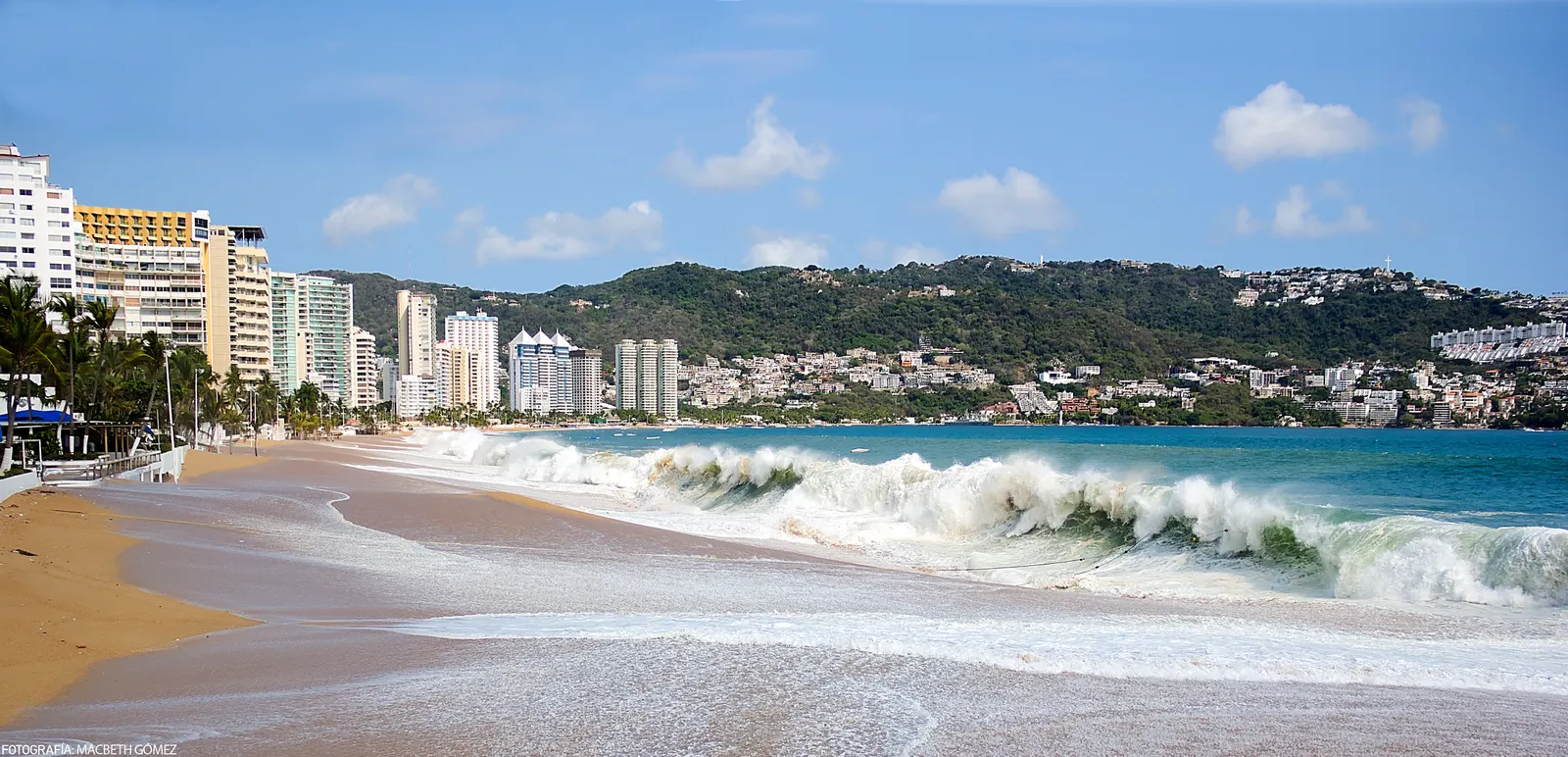
This is where we need to be more direct. Acapulco has one of the highest homicide rates in the world among cities its size. This doesn't mean every tourist is in constant danger — violence there is linked almost entirely to disputes between criminal groups themselves and occurs mostly in areas far from the tourist corridor. But it's information you should have before deciding, not something to downplay, as it is indeed a risk zone for locals and tourists in medium to low-income tourism areas. As in all tourist places in the world, the higher the purchasing power of the area, the safer it tends to be — in Acapulco's case this is very evident.
States that are worth avoiding
Beyond specific tourist cities, there are states that both the U.S. Department of State and the UK FCDO recommend avoiding completely, not just "exercise caution":
- Sinaloa — due to historical cartel presence
- Colima — high kidnapping risk
- Michoacán — active civil unrest
- Tamaulipas — border violence
None of these four is, today, a relevant tourist destination — so in practice they don't conflict with a typical travel itinerary, but it's worth knowing they exist if your plan includes road routes outside conventional areas.
What you should actually do, in any of these destinations
- Use Uber/DiDi instead of hailing taxis on the street, especially at night
- Don't carry large amounts of visible cash
- Avoid walking alone through non-tourist areas after midnight
- If a patrol stops you and you feel they're looking for a "bribe," stay calm, ask them to write the ticket formally, or call 078 for tourist information or 911 for police assistance. In most cases they'd rather let you go than do the paperwork or have their practices exposed through a call to lines that are actually recorded
In summary
Violence in Mexico is real, but it's not random or evenly distributed across the country. It's concentrated in specific zones and contexts that almost never overlap with where and how a tourist moves. The right question isn't "Is Mexico safe?" but rather "Is the specific place I'm going safe, in the areas I'll be visiting?" — and that answer we can give you honestly, destination by destination.
Have questions about the safety of a specific destination? Ask our AI guide or explore our state-by-state guides on GO MEXICO.
Topics
Plan your trip
Inspired by this article?
Use our interactive map and AI planner to create your perfect Mexico itinerary.
Open the interactive map →Newsletter
Get Mexico travel tips in your inbox
Weekly guides, hidden gems and local recommendations. No spam.