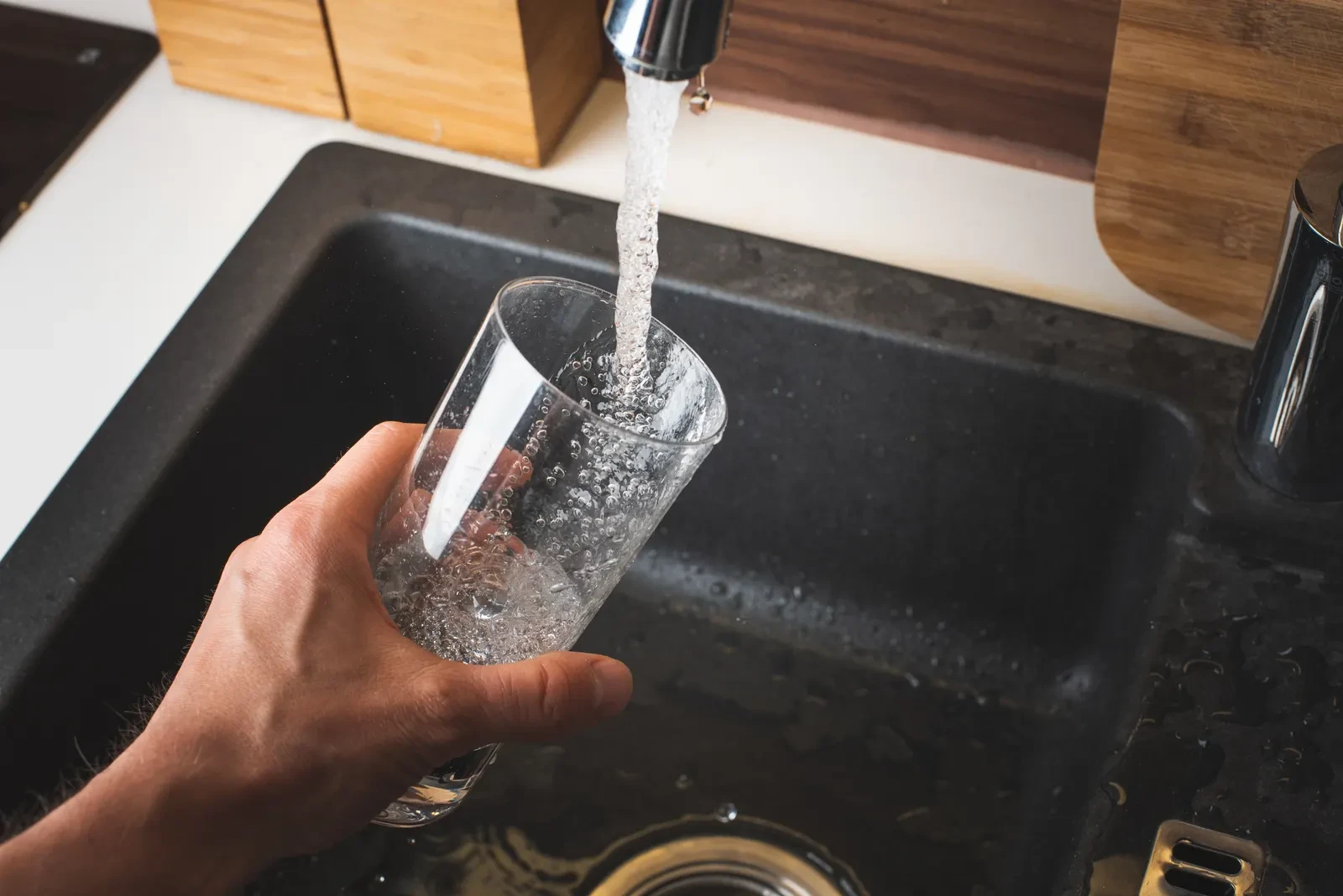
El agua en México no es el peligro que imaginas. Aquí está la respuesta completa — con matices que ninguna guía de viaje te da — para que llegues informado y sin preocupaciones innecesarias.
Es la pregunta que más hacen los viajeros antes de pisar México — más que sobre seguridad, más que sobre el clima. Y casi siempre reciben la misma respuesta de folleto: "usa agua embotellada". Punto. Sin explicación.
Aquí va la respuesta completa que le añadirá tranquilidad a tu viaje.
La verdad corta
No, no deberías beber agua de la llave directamente de ningún lugar al que viajas — pero no por las razones que probablemente imaginas.
No es que el agua vaya a enfermarte, ni que sea agua sucia a simple vista. El problema es más sutil: tu cuerpo no está acostumbrado a los microorganismos locales, aunque técnicamente no sean peligrosos en ninguna parte del mundo. Es la misma razón por la que un mexicano que viaja a Europa a veces también se enferma del estómago ahí, o un japonés con el agua de Italia — no es que el agua europea esté mal, es que la flora intestinal no conoce microorganismos de otras regiones.
Lo que dicen los datos oficiales
En Ciudad de México, por ejemplo, una parte importante del agua que llega a las tuberías es potable según las propias mediciones del sistema de aguas de la ciudad. Pero aquí está el detalle que las páginas de gobierno casi nunca conectan: casi ningún local la bebe directamente, ni siquiera quienes llevan toda la vida ahí — pueden beber un poco, lavarse los dientes, o beberla si se hierve. No es paranoia, es una costumbre construida durante décadas, en parte por infraestructura de tuberías antigua que puede afectar el agua en el trayecto del tinaco a tu llave, no necesariamente en la planta de tratamiento. Y esto no es exclusivo de la Ciudad de México — pasa en Londres, en Tokio, en Buenos Aires. ¿Alguna vez te has puesto a pensar cuántas décadas tienen las tuberías de Madrid, Nueva York o París?
Así que sí, las ciudades pueden aprobar el agua en el papel, y aun así es buena idea no beberla directo del grifo. Sin embargo, como en las grandes capitales y ciudades del mundo, el agua es segura para lavar tus dientes, bañarte, lavar utensilios de cocina y más.
Lo que sí puedes hacer sin preocuparte
- Cepillarte los dientes con agua de la llave — no te va a hacer daño, aunque tengas estómago sensible
- Ducharte, lavarte las manos, cocinar con agua de la llave — completamente normal, así vive toda la población local
- El hielo en restaurantes y bares establecidos, sobre todo en zonas turísticas — en México es prácticamente un estándar de la industria usar agua purificada para hacerlo, así que puedes pedir tu bebida con hielo sin pensarlo dos veces
Lo que sí deberías evitar
- Beber agua directo de la llave
- Confiarte con el agua fuera de las grandes ciudades como Ciudad de México, Monterrey, Guadalajara, etc. — entre menos infraestructura turística tenga la zona, más recomendable es ser cuidadoso por el volumen de carga y el tratamiento de la misma
Y si aun así te enfermas un poco...
Se le conoce coloquialmente como "venganza de Moctezuma" o traveler's belly, y le pasa a un porcentaje considerable de visitantes los primeros días, sin importar cuánto cuidado tengan. No es sinónimo de que hiciste algo mal — tu cuerpo simplemente está ajustándose. Un cambio de dieta gradual (empezar con comida bien cocida los primeros días) ayuda, y suele resolverse solo en 24-48 horas.
En resumen
El agua de México no es el peligro que muchos imaginan, ni es tan simple como "no la tomes y ya". Es una costumbre local bien fundamentada, con matices que vale la pena entender antes de llegar, para que tu única preocupación en el viaje sea decidir cuál taco probar primero.
¿Tienes más dudas sobre viajar a México? Pregúntale a nuestro guía de IA o explora nuestras guías estado por estado en GO MEXICO.
Temas
Planifica tu viaje
¿Te inspira este artículo?
Usa nuestro mapa interactivo y el planificador IA para crear tu itinerario perfecto por México.
Abrir el mapa interactivo →Newsletter
Recibe consejos de viaje por México en tu correo
Guías semanales, joyas escondidas y recomendaciones locales.