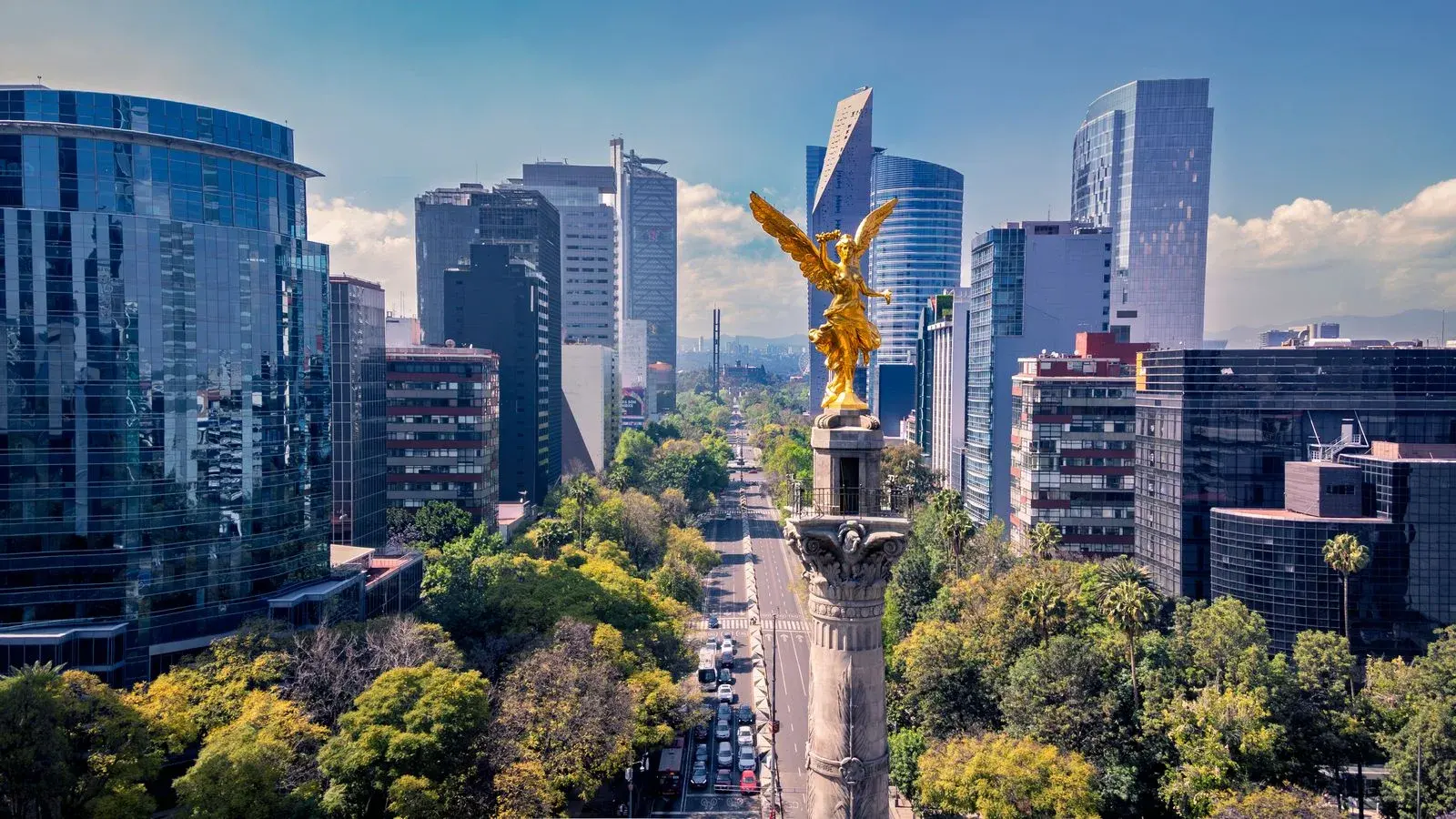
Mexico City has transformed into one of the world's most vibrant destinations. But is it safe for tourists? A local's definitive guide to safe neighborhoods, areas to avoid and essential safety tips.
Mexico City (known locally as CDMX) has rapidly transformed into one of the world's most vibrant, culturally rich and sought-after travel destinations. From world-class gastronomy — including renowned Mexican cuisine restaurants and some of the best representatives of global cooking — to stunning architecture and a thriving community of locals and digital nomads, the Mexican capital has something for everyone. However, if you're planning your first trip, there's one crucial question that's probably on your mind: Is Mexico City safe for tourists?
The short answer is yes, but it depends greatly on which neighborhoods you visit and how you behave. Just like any other global megalopolis such as New York, London or Paris, safety in CDMX is a highly localized matter. Neighborhoods separated by just a few blocks can feel like completely different worlds.
To help you explore the capital with complete confidence, this locally-reviewed guide details the safest neighborhoods to stay in, the areas you should avoid entirely, and essential safety tips for getting around the city.
The Truth About Safety in CDMX
International media headlines often paint Mexico as a uniform and generalized place, but the reality on the ground in the capital is very different. The vast majority of violent crime in the country is linked to organized crime — specifically disputes between criminal groups themselves, deliberately avoiding affecting the general public — and these occur in regions far removed from CDMX's tourist circuits.
For a tourist, the most common risk in Mexico City is the same as in most large cities worldwide: petty theft (pickpocketing and cell phone theft), particularly in very crowded spaces such as concerts, public demonstrations, or inside public transportation. Armed robberies against tourists in broad daylight in established tourist neighborhoods are extremely rare. If you apply the basic common sense you'd use in any major world city, you'll most likely have a completely incident-free trip.
Quick tip: Never travel without medical and travel coverage. We recommend checking out SafetyWing — it covers unexpected accidents, theft and delays for just a few dollars per day.
The Best Safe Neighborhoods in Mexico City for Foreigners
If you stay or spend most of your time in these areas, your experience will be as safe, comfortable and walkable as any European or North American capital.
1. Roma Norte and Roma Sur: The Tourist and Digital Nomad Epicenter
La Roma is indisputably the most popular area for expats and tourists. It's packed with tree-lined streets, Art Deco architecture, specialty coffee shops, incredible restaurants, and clothing, accessories and art shops. It's a very walkable and extremely safe area, even at night. Roma Sur is a bit quieter and more residential, while Roma Norte is where the vibrant nightlife is concentrated.
Find boutique hotels and safe apartments in La Roma here.
2. Condesa: Safe, Green and Surrounded by Parks
Right next to La Roma, La Condesa is famous for its lush parks (Parque México and Parque España), its pet-friendly atmosphere and its relaxed vibe. It feels like an urban oasis within the big city. Being heavily patrolled by private security and tourist police, it's one of the safest spots in the entire country for solo travelers and families. Around Condesa you can visit neighboring areas that will add unique experiences to your trip, such as Colonia Escandón to the south or Colonia San Miguel Chapultepec to the west, where you'll find one of the entrances to Chapultepec Park.
3. Polanco: Luxury and Maximum Security
Often referred to as the "Beverly Hills of Mexico," Polanco is the city's most affluent neighborhood. Here you'll find designer boutiques, embassies and Michelin-starred restaurants like *Pujol* and *Quintonil*. The security presence is extremely strict, making it a virtually crime-free zone for tourists.
4. Juárez and Cuauhtémoc: Central and Booming
Strategically located on both sides of the iconic Avenida Reforma, these neighborhoods are excellent corporate and tourist hubs. Juárez is home to the vibrant "Zona Rosa" (the heart of the LGBTQ+ community and the Korean district). In general, it's a very safe area during the day; using Uber or Didi after 10:00 PM is recommended.
5. Coyoacán: Colonial Charm and Tranquility
Located in the south of the city, Coyoacán feels like a historic town trapped within a megalopolis. It's world-famous for housing the Frida Kahlo Museum (*La Casa Azul*). It's incredibly safe during both day and night.
Areas to Visit with Caution (Daytime Only)
These areas house some of the city's most important tourist attractions, but require staying alert, avoiding displaying valuables, and leaving shortly after sunset.
Historic Center
The city's historic heart shelters the Zócalo, the Metropolitan Cathedral and the Palacio de Bellas Artes. During the day it's packed with thousands of locals and tourists and has a strong police presence. However, pickpocketing is extremely common on its streets and in popular markets. As night falls, many streets become dark and deserted.
Xochimilco
Famous for its colorful wooden boats (*trajineras*) that navigate ancient canals. The official tourist docks are fun and very safe, but it's advisable not to venture into the deep residential neighborhoods surrounding the canals.
Areas You Should Avoid Entirely as a Tourist
As a general rule, there is no tourist reason to visit the following areas:
- Tepito: Located near the Historic Center, it houses a massive informal market. It's notorious for its high levels of crime, muggings and theft. Best to avoid it entirely.
- Doctores: Neighboring Roma Norte, it remains problematic especially at night.
- Iztapalapa and Gustavo A. Madero: These are massive residential municipalities with complex local crime issues unrelated to tourism.
- State of Mexico: Tourists have no reason to visit neighborhoods there except for Teotihuacán, Santa Fé, Interlomas and the Toluca Airport.
Essential Safety Tips for Getting Around CDMX
Is Uber Safe in Mexico City?
Yes, Uber and DiDi are the most recommended transportation option. They are infinitely safer than hailing a random taxi on the street. Always verify the license plate and driver's name in the app before getting into the vehicle.
Safe Use of the Metro and Metrobús
CDMX's mass transit system is extremely affordable, fast and efficient. During rush hours the cars get extremely crowded — the perfect scenario for pickpockets. Follow these guidelines:
- Keep your backpack or bag in front of your body and hold it close in crowded areas.
- Never keep your wallet or phone in your back pockets.
- Women and children have exclusive access to the front cars on the Metro.
How to Avoid "Montezuma's Revenge"
Mexico City's tap water is treated but it's recommended not to drink it directly. Use bottled or filtered water for everything. Ice at established restaurants in Roma, Condesa and Polanco is always made with purified water.
Conclusion: Should You Visit Mexico City?
Absolutely yes. Don't let the fear spread by media or social networks deprive you of experiencing one of the planet's most magnificent, cultural and culinary metropolises. By staying in recommended neighborhoods like Roma, Condesa or Polanco, using private transport apps at night and keeping active awareness in very crowded spots, you'll realize that Mexico City is just as walkable and welcoming as any other international tourist destination.
Ready to map out the rest of your adventure? Use our AI-powered interactive tool to design a custom itinerary. Explore our Complete Mexico City Travel Guide and AI Planner here!
Topics
Plan your trip
Inspired by this article?
Use our interactive map and AI planner to create your perfect Mexico itinerary.
Open the interactive map →Newsletter
Get Mexico travel tips in your inbox
Weekly guides, hidden gems and local recommendations. No spam.