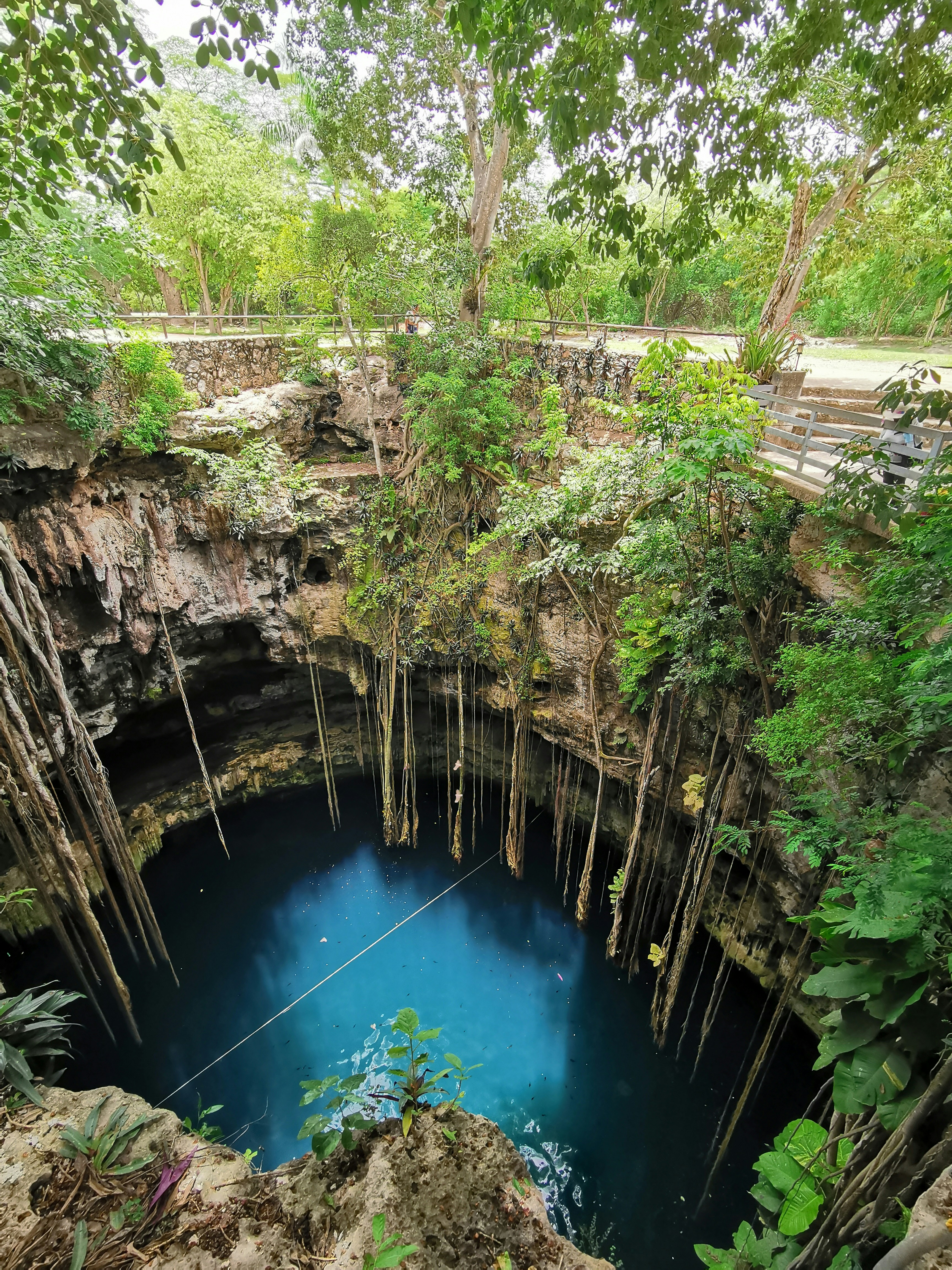
Mexiko ist das viertreichste Land der Erde in Bezug auf Biodiversität. Es ist das einzige Land der Welt, in dem Sie Grauwale, Monarchfalter, Quetzale, Jaguare, Axolotl und kalifornische Kondore sehen können. Mit 182 geschützten Naturgebieten, die 13% des Territoriums abdecken, schützt Mexiko Ökosysteme, die es sonst nirgendwo auf der Welt gibt.
Geschichte
Mexikos erster Nationalpark war El Chico in Hidalgo, gegründet 1898. 1980 erklärte die UNESCO die Wälder der Monarchfalter in Michoacán zum Biosphärenreservat. 1988 wurde die CONANP (Nationale Kommission für Geschützte Naturgebiete) gegründet, um das System zu verwalten. Sian Ka'an in Quintana Roo wurde 1987 zum Naturerbe der Menschheit erklärt. Der Grauwal wurde durch das Reservat El Vizcaíno in Baja California Sur vor dem Aussterben bewahrt — heute hat sich die Population auf über 25.000 Exemplare erholt. Mexiko hat 11 Stätten, die von der UNESCO zum Naturerbe erklärt wurden.
Top 10
Das größte Wanderspektakel des Planeten: 300 Millionen Monarchfalter kommen jeden November an.
UNESCO-Reservat: 528.000 Hektar Dschungel, Mangrovensümpfe, Korallenriffe und Lagunen, bewohnt von Mayas.
System von 6 Barrancas, vergleichbar tief wie der Grand Canyon. Heimat der rarámuri.
Vulkane in der Sonora-Wüste. UNESCO-Naturerbe. Landschaft eines anderen Planeten.
Canyon von 1.000m Länge, schiffbar mit Krokodilen, Spinnenaffen und jahrtausendealten Wasserfällen.
Wo Grauwale ihre Jungen bekommen. Die Lagune Ojo de Liebre, UNESCO-Erbe.
Der nördlichste tropische Regenwald Amerikas. Quetzale, Tukane und Heulern.
Sierra Chincua: ein weiteres Monarchheiligtum, erreichbar von Toluca oder Mexiko-Stadt in 2 Stunden.
Der schlafende Vulkan, der den Popocatépetl schützt. Lebensraum des Bergaxolotls.
Reservat der rosafarbenen Flamingos an der Nordküste von Yucatán. Mexikos fotogenste Vögel.
Beste Reisezeiten
Monarchfalter: November bis März in Michoacán. Grauwale: Januar bis April in Baja California Sur. Flamingos in Ría Lagartos: ganzjährig, besser Mai-Juni zum Brüten. Wandern in Chihuahua: Oktober bis Mai. Dschungel in Chiapas und Veracruz: besser in der Trockenzeit (November-April).
Anreise
Monarca-Reservat: von Morelia oder Toluca. Sian Ka'an: von Tulum aus (30 Min.). El Pinacate: von Sonora an der Grenze zu Arizona. Barrancas del Cobre: Flug nach Chihuahua. Reservat El Vizcaíno: Flug nach La Paz oder Los Cabos. Ría Lagartos: von Mérida aus (3 Stunden Autofahrt).
Mexiko ist das viertreichste Land der Erde in Bezug auf Biodiversität. Es ist das einzige Land der Welt, in dem Sie Grauwale, Monarchfalter, Quetzale, Jaguare, Axolotl und kalifornische Kondore sehen …